Case Study: LEGO-Building an Unforgettable Brand
The Challenge:
Dozens of companies make plastic bricks. Some are cheaper. Some carry licenses. Some even copied LEGO outright.
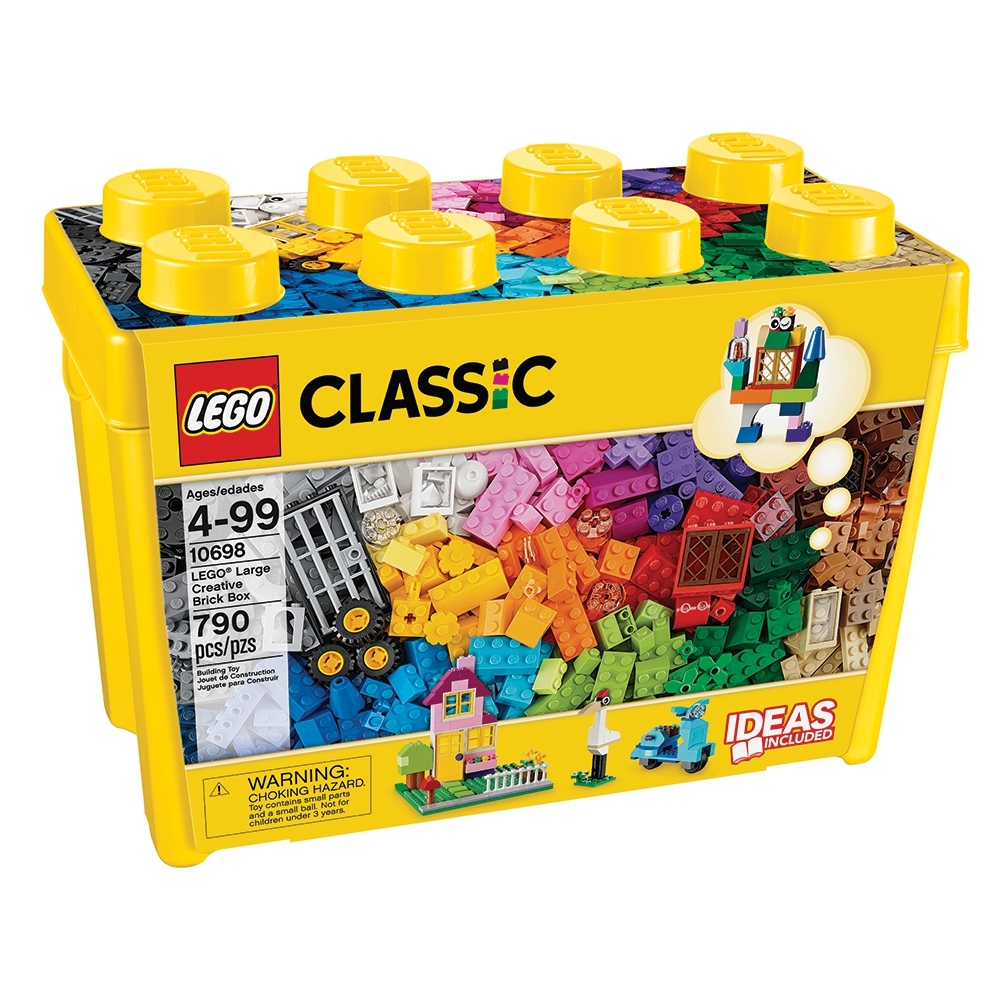
Even Hasbro—a billion-dollar toy giant, launched Kre-O to compete. Within a few years, it wasn’t profitable enough to continue.
Meanwhile, LEGO—still privately owned by the Kirk Kristiansen family through KIRKBI, continued to grow into one of the most recognized brands in the world.
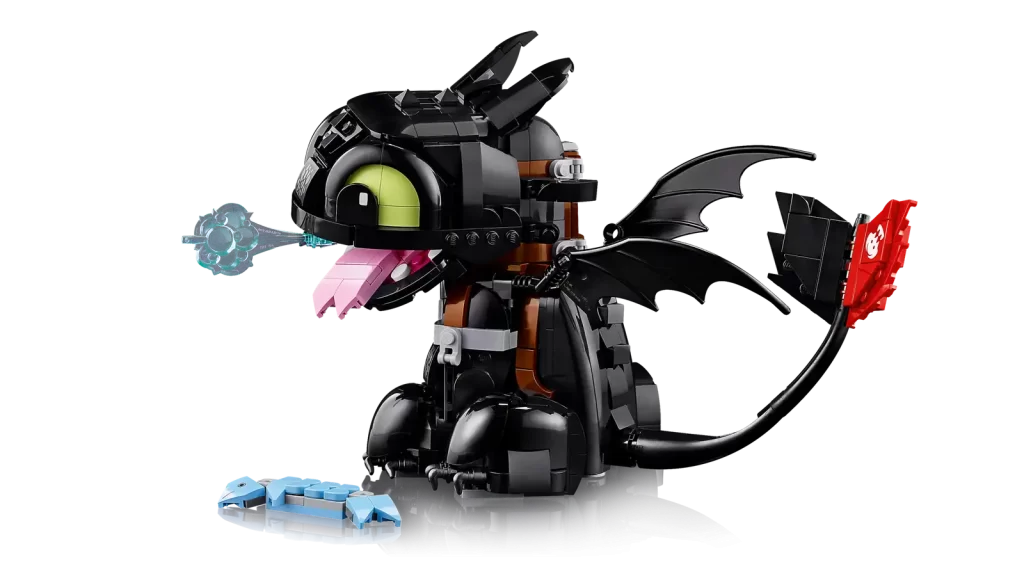
Step 1: CTRL (Core Message)
LEGO’s core message is simple and timeless:
Creativity + imagination are for everyone.
They don’t sell bricks.
They sell possibility.
Step 2: ALT (Angles)
They reinforce that message from multiple perspectives:
- Everyday play (kids + families)
- Fandom collabs (Star Wars, Harry Potter, Marvel)
- Adult creativity (LEGO Architecture, Botanicals, Ideas)
Different angles. Same message: creativity lives here.
Step 3: Reframe (Formats)
LEGO multiplies its message across countless touchpoints:
- Movies (The LEGO Movie, LEGO Batman)
- Theme parks (LEGOLAND)
- Video games
- Cultural collabs and partnerships
Each reframe is another way of saying the same thing: play fuels creativity.
The Results:
- Instant recognition: Bricks + logo are cultural icons.
- Cultural anchor: Nostalgia + creativity link generations.
- Category dominance: Strong enough that even a billion-dollar competitor couldn’t unseat them.
The Lesson:
LEGO proves visibility isn’t about budget or size.
It’s about clarity and consistency.
Your content doesn’t need 100 random messages.
It needs one strong message—multiplied until people know you on sight.
👉 That’s the difference between being LEGO… and being Kre-O.