Case Study: Disney — The Magic Of Storytelling
🧭 Core Message (North Star)
Imagination brings dreams to life.
Imagination is more than a creative spark — it’s the bridge between what is and what could be. For nearly a century, The Walt Disney Company has built its empire on this belief. Instead of chasing fleeting trends,
Disney has anchored its storytelling in one enduring idea: the magic of imagination. This belief has transcended time, technology, and generations, not by changing, but by evolving.
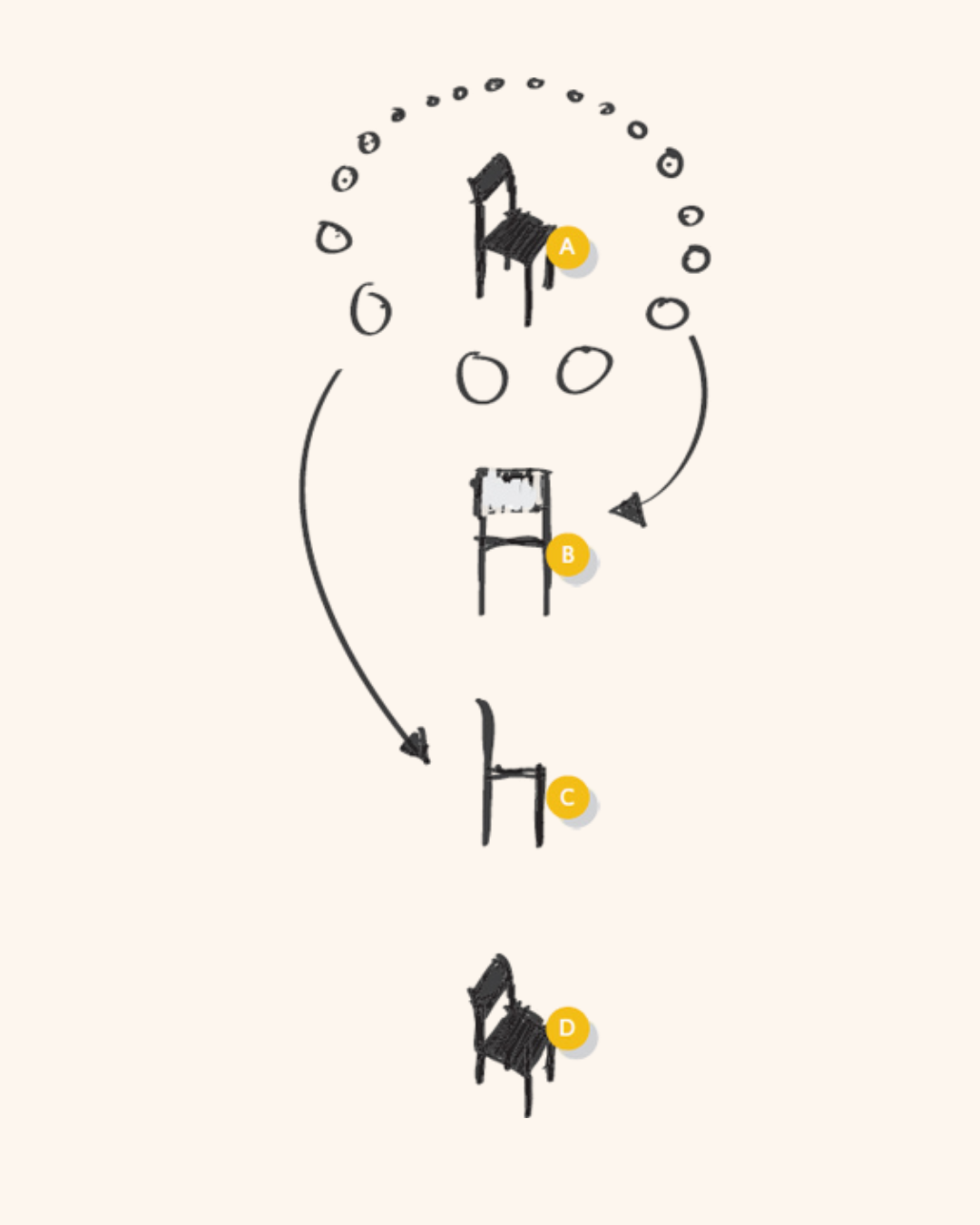
⌃ CTRL (Clarified Core)
The magic of storytelling.
Disney’s storytelling power lies in its consistency. Since the 1920s, every film, park, show, and experience has been rooted in one central idea: imagination can transform the ordinary into the extraordinary.
This is why the Disney magic feels both familiar and ever-new. While the stories evolve, the CTRL remains the same. It’s not about characters or plotlines, it’s about what they represent: hope, wonder, courage, and the power to dream.
⌥ ALT (Angles)
Disney has expressed this core belief through multiple storytelling eras and genres:
- 👑 Classic Fairy Tales:
Snow White and the Seven Dwarfs, Cinderella, and Sleeping Beauty framed imagination as timeless stories of love, magic, and happily-ever-afters. These tales built the foundation of the Disney brand. - 🦁 Renaissance Adventure:
In the 1990s, films like The Lion King, Aladdin, and Beauty and the Beast reframed imagination as epic journeys of identity, sacrifice, destiny, and transformation — deepening the emotional range of Disney stories. - 🌊 Modern Heroines:
More recent films like Frozen and Moana reimagine the princess archetype. Imagination is no longer about waiting for magic to happen — it’s about finding it within yourself. These stories center self-discovery, courage, and independence. - 🌌 Expansions:
Through the acquisition of Pixar, Marvel Studios, and Lucasfilm (home of Star Wars), Disney reframed its core message into new genres — from space operas to superhero sagas — without losing its heart.
✨ Reframe (Stories / Context)
- 🏰 The Disney castle logo and When You Wish Upon a Star have been used across decades as brand anchors, signaling magic, hope, and wonder before every story begins.
- 👸 Princess archetypes have evolved over time. Early characters like Snow White and Aurora embodied passive hope. Modern heroines like Moana and Elsa reflect active agency and self-rescue — same theme, different angle.
- 🎬 Pixar shorts distill the magic of imagination into one-act stories. In just a few minutes, they manage to make audiences feel wonder, connection, and nostalgia — proof that a strong CTRL doesn’t depend on length or format.
- 🪐 Expansions into Marvel and Star Wars didn’t overwrite Disney’s message. Instead, they reframed it into worlds of superheroes and galaxies far, far away — all anchored in imagination, hope, and courage.
🧠 Why This Works
- Timeless Core: A single belief, repeated across generations, creates a strong identity.
- Flexible Angles: By reframing imagination through new characters, genres, and cultural moments, Disney stays relevant without losing its soul.
- Emotional Familiarity: Repetition builds trust — every Disney story feels like home, even when it’s brand new.
- Generational Continuity: Parents who grew up on Disney now introduce the same themes to their children, creating a shared cultural language.
💬 Lesson
Disney proves that repetition doesn’t make a story stale — it makes it timeless.
By holding fast to its CTRL (the magic of imagination), exploring new ALT angles (from fairy tales to superheroes), and reframing its stories in fresh contexts, Disney has remained relevant for nearly 100 years.
✨ A strong core message doesn’t limit creativity — it fuels it, allowing your story to grow without losing its heart.